
Programming Playbooks for Niche FAST Channels: Curation, Scheduling, and Windowing

Today we dive into programming playbooks for niche FAST channels, exploring how strategic curation, thoughtful scheduling, and disciplined windowing combine to build loyalty, watch time, and brand clarity. Expect actionable tactics, operator insights, and true-to-life stories from launches that learned the hard way and adjusted quickly. If you program, distribute, or market free ad‑supported linear streams, this guide is designed to sharpen decisions, reduce costly churn, and invite your feedback so our next edition addresses your toughest unanswered questions.
Audience Intent and the FAST Opportunity
Map Viewing Jobs to Be Done
List the real jobs viewers hire your channel to do: fill breakfast silence with gentle momentum, entertain during chores without demanding attention, or deliver a late‑night comfort loop that rewards partial attention. Translate each job into tone, pacing, and episode length guidelines. One operator discovered weekend mornings gained thirty percent session time by swapping intense cliffhangers for lighter arcs that resolve within a single episode, proving that matching intent beats chasing isolated title popularity.
Define Your Signature and Tentpoles
A clear signature helps audiences instantly understand what they will get every time they return. Choose two or three recognizable pillars, such as a flagship series block, a daily countdown, or an interview hour that anchors the identity. A small team built traction by running a dependable noon tentpole with strong promos into adjacent blocks, allowing viewers to arrive confidently and then stay longer as adjacent scheduling echoed the same emotional payoff, preventing jarring tonal shifts.
Positioning in the Guide
Your guide tile competes with dozens of near neighbors, so the title, artwork, and micro‑copy must promise immediate clarity. Test sharper labels, bolder color contrast, and a concise value sentence that says what viewers will feel within one minute of tuning in. Channels that earn habitual selection often pair a clear promise with consistent thumbnails across promos, reducing cognitive friction. Minor creative adjustments, aligned with time‑of‑day expectations, can lift tune‑ins without adding new content inventory.
Editorial Curation That Scales Without Losing Soul
Curation is the heartbeat of a focused FAST channel: which titles, which cuts, which sequences, and which surprises are allowed inside the experience. Scaling that craft requires metadata discipline, rules for balance, and an editorial calendar that respects seasonality without confusing the channel’s identity. Think of it as building a living anthology with a recognizable voice. When guidelines are explicit, freelancers, rights partners, and scheduling tools can collaborate without diluting the channel’s emotional promise or drifting into unfocused catalog dumping.
Scheduling for Flow: Dayparts, Cadence, and Repetition
A great schedule moves like a playlist: clear openings, dependable peaks, and restorative valleys. Dayparts shape energy, cadence sets expectations, and repetition teaches viewers when to find what they love. Build a rhythm that respects sleep, work, and weekend behaviors. Use consistent block names and on‑channel promos to teach the grid. When one network trimmed late‑night episode runtimes and smoothed ad spacing, viewers lingered longer, reporting a calmer vibe that matched their winding‑down routines and improved average minute audience measurably.
Windowing Strategy: Rights, Exclusivity, and Refresh
Windowing decides who sees what, where, and when, balancing partner obligations with audience momentum. Define tiers for platform exclusives, shared availability, and archival rotations. Clarity in contracts prevents surprises; clarity in on‑channel messaging prevents viewer frustration. Treat each availability as a story arc with a start, middle, and end. If you telegraph the goodbye with tasteful reminders, returns can spike before the last run and create anticipation for the next cycle, turning legal constraints into engaging programming moments.



Measurement and Optimization: From Gut to Evidence
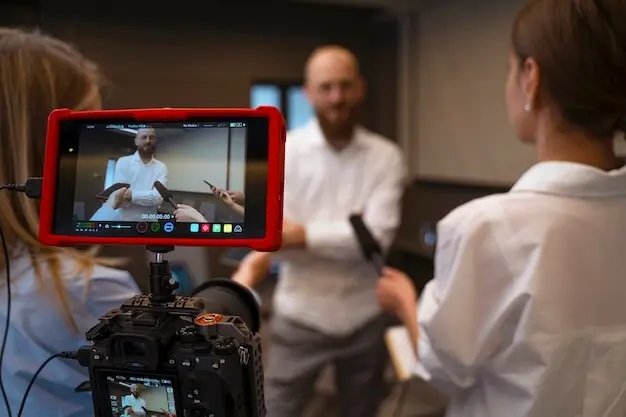
Intuition starts the programming journey; evidence keeps it honest. Define a small, durable metric set and review them in context, not isolation. A dip in average minute audience might reflect stronger competition, not weaker curation. Pair dashboards with weekly editorial conversations so numbers meet narrative. Equip your team to run structured schedule experiments, document learnings, and roll forward improvements. Share outcomes with partners to earn better placements, because credible results often open doors that creative pitches alone cannot unlock.

Operations and Tools: From EPG to Playout Reliability
Excellent programming fails if playout wobbles or metadata drifts. Build a dependable toolchain: scheduling software with reusable templates, QC processes that catch ad marker errors, and monitoring that flags audio or caption mismatches before viewers complain. Document runbooks for common incidents, maintain pre‑approved alternates, and keep a calm, repeatable escalation ladder. Operators who invest here buy creative freedom elsewhere, because a stable machine lets editors and schedulers focus on invention rather than fire drills triggered by preventable operational gaps.